Wednesday, July 31, 2019
Minimalist Fly Fishing (first appeared on KSL web site)
First appeared on KSL website
https://www.ksl.com/article/46607194/minimalist-fly-fishing-how-to-simplify-your-pursuit-of-trout

Thursday, May 30, 2019
Tuesday, January 1, 2019
MOUNT OLYMPUS: OUR LAST HIKE IN OUR 60-60-60 HIKING GOAL
 |
| Beginning of Mount Olympus hike. |
 |
| At the trailhead. Actually taken after the hike. Balloons to release! |
 |
| Starting up the trail. |
 |
| Part of the rocky trail. |
 |
| Natures steps. |
 |
| Did I mention rocky trail? |
 |
| Looking out over Salt Lake Valley. |
 |
| Nearing the saddle. Great views from here. |
 |
| The beginning of the rock climbing. |
 |
| Somewhere up there is the summit. |
 |
| View from the saddle. |
 |
| Nice little view. |
 |
| The saddle. |
 |
| Summit somewhere up those rocks behind us. |
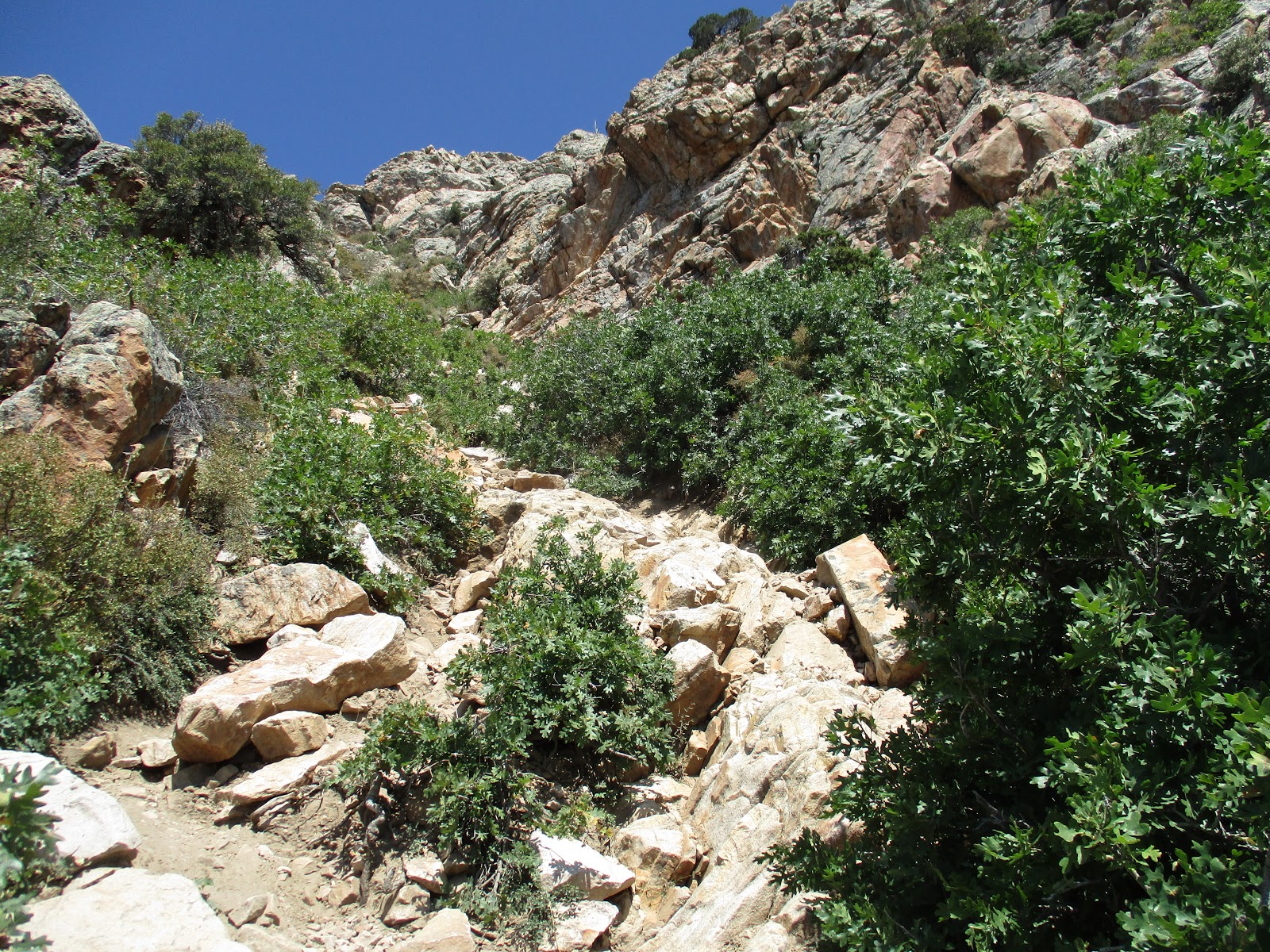 |
| Up the rocks. |
 |
| A few boulders in the way. |
 |
| Summit! |
 |
| Mailbox at the top. |
 |
| Other hikers on the summit. |
 |
| Hikers at the summit. |
 |
| At the summit, ready to release the "60" balloon. |
Because of life schedules with work, church, family and winter snow-pack, we could only plan for so many hikes per summer. It was sometimes difficult to put other pursuits aside (I'm also an avid fly fisherman) to find the time to accomplish the hikes. That is one reason it took about 6 years. We averaged 10 hikes per year, however, there was a year we only did 3. So some years, like this last year (2018) we did more. Our final year we had to push to get 12 hikes in to make the goal.
We have learned so much from these hikes. Almost every hike was done as a couple. A few were done with our daughter who also loves hiking. In fact, she is still getting us out hiking even though we have met the goal. We have found that we like to hike. It has been good for us as a couple. Even though I had a tendency to hike faster than my wife and get ahead on the trail, we always went to the summits together. We found that hikers are nice people. On a couple of the hikes where I didn't feel comfortable rock climbing or going over a knife edge rock, there always seemed to be a hiker or a group of hikers that would help my wife make it. Some trails we found ourselves totally alone. We learned to talk a little more (probably not enough for my wife). We found that sitting high on a mountain ridge by ourselves with a panoramic vista and a little silence was alright. That eating trail food while resting on a log and drinking water from a water bottle are great pleasures. We learned that simple things can mean so much. We have found that there is so much beauty and fun so close to our cities along the Wasatch Front--you don't have to go very far to enjoy hiking, scenery, wildlife, mountain summits, wildflowers, sunrises, sunsets and vistas that take your breath away. Most importantly, I learned that I have a great wife. She is my best friend. She is amazingly unselfish. We may not hold great status when it comes to worldly things, but we love each other.
 |
| Hikers who helped Phyllis up and down the rock scramble. |
 |
| Another hiker who helped. |
 |
| Success! |
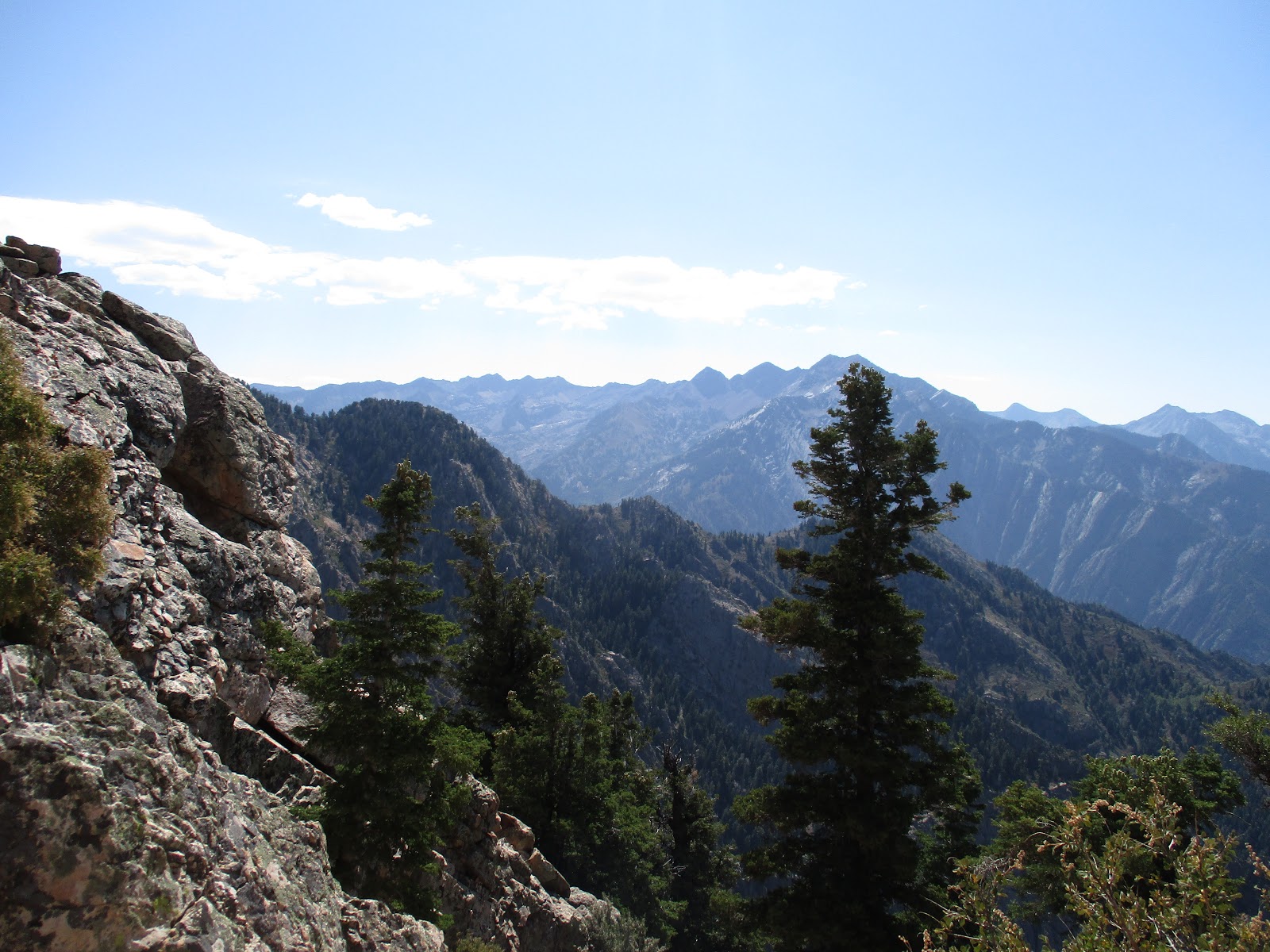 |
| Beauty near the top. |
 |
| A little above this area, I stopped. Hiking is different than rock climbing! |
I do not believe in too many coincidences. At a point in the hike where the rock climbing became a little more difficult (at least for me), I watched as a brother was trying to help his sister through the climb. Eventually, like me she decided she had made it as far as she could go. I could tell her brother really wanted to get to the summit so I suggested that she could wait with me while her brother went to the top. We had a nice visit and found that we both suffered from a fear of exposure to vertical drops. We decided we were not so much afraid of heights, we both felt if there was enough space to stand away from drop-off we were fine, it was the exposure to the drop-off that gave us fear. It was nice visiting with her and we helped each other get to the saddle when my wife came down and then waited with her until her brother came down. I tell you hikers are really nice people.
Something that was very fitting for this hike (another coincidence?) is the fact that one of the young ladies that helped Phyllis get down from the summit happened to know Greg Witt, the author of the guide book we were following. She actually took the photographs used in the hiking guide book. We are so grateful for her help too.
We will continue to hike. We have become hikers. Plans are already being made to hike trails and summits that are not in the book. It's good to be out there!
Friday, December 28, 2018
Nothing I could Do About It (Hike to Jordan Lake, High Uintas Wilderness)
It was a beautiful sight. We stood on the shore of Jordan Lake in the Uintas watching white cumulus clouds billow up over Mount Agassiz. Soon, the clouds were illuminated with an eeriness only an unseen full moon can provide. We waited until the moon appeared through some of the openings between the clouds. As pretty as this scene was, I knew that the gathering clouds could mean lightning and thunder was coming.
Phyllis and I had hiked about six miles to Jordan Lake to spend the night. We sat up our tent on a little peninsula that extended down to the edge of the lake. Earlier in the evening we ate dinner: Freeze dried teriyaki chicken with rice and vegetables. We ate right from the packet so the only thing we dirtied was our utensils. Our pot was only used for boiling water. After cleaning up, watching the setting sun and moon rise, we retired to bed early, tired from the hiking.
I couldn't sleep. My mind raced. My body ached. I laid there wishing I had taken an Ibuprofen. I was too lazy to get out of my sleeping bag, out of the tent and get my water bottle and medicine. I thought for sure I would eventually sleep. If I could sleep, my headache and body aches would be gone by morning.
I closed my eyes and began to focus on my breathing: Inhale deeply through my nose and exhale through my mouth, right? Or is it inhale deeply through the mouth and exhale through the nose? I tried both ways hoping the rhythm would lull me to sleep. Sleep would not come.
Through my eyelids, I sensed a flash of light. I opened my eyes just as my ears were bombarded with a loud clap of thunder. The thunder began to roll and echo around the mountains and then down a canyon like a passing train rumbling away into the distance. I saw another flash, another boom, another rumble. Then came the pitter-patter sound of rainfall on the tent. The sound of the rain added a soft snare-drum to the timpani rumble and cymbal crash of a Uinta's nighttime orchestra.
I have heard others talk about thunder and lightning and how much they enjoy the sound and the light show. I too have stood outside my house under the carport and watched the lightning and listened to the thunder. It does have its beauty. But above 10, 000 feet in elevation inside a small backpacking tent there isn't a real feeling of security.
I closed my eyes again and decided to enjoy the storm. If I could mentally trick my brain, was it possible to lose the anxiety? The first flash of lightning, my eyes were wide open. Thoughts of being struck by lightning had me counting the seconds between the flash and the sound. Flash! One, two, three, four, five, Boom! Five seconds. That means the lightning was five miles away, right? Is that true? Flash! One, two, three, Bam! Three miles away. Oh brother, is this how the night was going to be?
Several years ago, I was near the Crystal Lake Trailhead. I had been float-tube fishing in Washington Lake. Big clouds started to build around the mountains. I recognized that an afternoon thunderstorm was coming. I got off the lake and started to breakdown the tent just as a poring rain hit. By the time I was in my car, the lightning was flashing and the thunder clapping. On the way down the canyon toward the town of Kamas, I saw several emergency vehicles racing up the canyon. The anchors on the evening news that night reported that a couple had been struck and killed by lightning near the Crystal Lake Trailhead. A feeling of sadness came over me for this couple as well as thoughts of how close I had been to the scene just moments before.
I continued to lay there with the thought playing through my head: There is nothing I can do. There is nothing I can do.
I figured I had laid awake listening for about 6 hours. It was not a peaceful time for me. I've always been afraid of lightning and thunder, mostly when outdoors. As I laid there I felt a degree of fear and anxiety. I thought to myself: What can I do about the storm? How do I deal with the feelings of fear and anxiety? Should I wake my wife and ruin her night by letting her know she was camping with a less than macho companion? No way we could pack up and hike out. I decided there was nothing I could do about the storm.
I tried to focus on the sound of the rain. I tried to enjoy the sound of the reverberating thunder. Then I remember waiting for another flash of lightning, another clap of thunder, but nothing came. The storm had passed. I figured it was about 3:00 am. I might have slept for an hour or so. I remember tossing and turning. I remember sensing the quietness of the early morning hours.
When it was light enough to see, we got dressed and went outside the tent. The sun was not yet above the mountains. There was no clouds anywhere in the sky. The sky was beginning to turn blue. Jordan Lake was perfectly still. The only movement was the mist rising from the lake surface. The morning was so calm, so still, so peaceful compared to the noisy night. Once the mist dissipated, the lake surface became a mirror. The mountains and fir trees could be viewed by looking down instead of out and up. Months later my mind still holds these images as if still standing there. The new day held promise of beautiful weather.
We packed up our gear, took down the tent and prepared to hike out. I went down to the lake's edge. I peered through the water and saw a beautiful brook trout cruising the shoreline. He turned and passed by in the opposite direction. The trout then turned, rose and took a small bug from the surface. I smiled. I thought, life is good. I was excited to begin the hike out.
As with most of my adventures, I always try to find a life lesson. What I take away from this trip has to do with storms (trials, accidents, failures, afflictions that we cause ourselves, or those caused by others, pain, suffering, death). In life we will face these storms. Often, we feel as I did with the lightning: There is nothing I can do. There are many situations in life where we feel fear and anxiety. Is there nothing we can do? Sometimes, we do have fear and anxiety over things we have no control over. When they pass we lose that fear and anxiety. But what do we do right in the middle of the storms of life? For me, a Christian, I have to put my hope and faith in God and His Son.. If there is something I think I can physically do to remedy a situation, I move forward in that direction. If it something I have no control over, then I pray and have faith that it will eventually pass and a new and brighter day with promise will come. I know it seems simple. I know there are some very serious and hard things to deal with in life. I wish there was a magic bottle of potion or cure-all formula but there isn't. All we can do is find those things that will bring us peace and place our focus there.
Phyllis and I had hiked about six miles to Jordan Lake to spend the night. We sat up our tent on a little peninsula that extended down to the edge of the lake. Earlier in the evening we ate dinner: Freeze dried teriyaki chicken with rice and vegetables. We ate right from the packet so the only thing we dirtied was our utensils. Our pot was only used for boiling water. After cleaning up, watching the setting sun and moon rise, we retired to bed early, tired from the hiking.
I couldn't sleep. My mind raced. My body ached. I laid there wishing I had taken an Ibuprofen. I was too lazy to get out of my sleeping bag, out of the tent and get my water bottle and medicine. I thought for sure I would eventually sleep. If I could sleep, my headache and body aches would be gone by morning.
I closed my eyes and began to focus on my breathing: Inhale deeply through my nose and exhale through my mouth, right? Or is it inhale deeply through the mouth and exhale through the nose? I tried both ways hoping the rhythm would lull me to sleep. Sleep would not come.
Through my eyelids, I sensed a flash of light. I opened my eyes just as my ears were bombarded with a loud clap of thunder. The thunder began to roll and echo around the mountains and then down a canyon like a passing train rumbling away into the distance. I saw another flash, another boom, another rumble. Then came the pitter-patter sound of rainfall on the tent. The sound of the rain added a soft snare-drum to the timpani rumble and cymbal crash of a Uinta's nighttime orchestra.
I have heard others talk about thunder and lightning and how much they enjoy the sound and the light show. I too have stood outside my house under the carport and watched the lightning and listened to the thunder. It does have its beauty. But above 10, 000 feet in elevation inside a small backpacking tent there isn't a real feeling of security.
I closed my eyes again and decided to enjoy the storm. If I could mentally trick my brain, was it possible to lose the anxiety? The first flash of lightning, my eyes were wide open. Thoughts of being struck by lightning had me counting the seconds between the flash and the sound. Flash! One, two, three, four, five, Boom! Five seconds. That means the lightning was five miles away, right? Is that true? Flash! One, two, three, Bam! Three miles away. Oh brother, is this how the night was going to be?
Several years ago, I was near the Crystal Lake Trailhead. I had been float-tube fishing in Washington Lake. Big clouds started to build around the mountains. I recognized that an afternoon thunderstorm was coming. I got off the lake and started to breakdown the tent just as a poring rain hit. By the time I was in my car, the lightning was flashing and the thunder clapping. On the way down the canyon toward the town of Kamas, I saw several emergency vehicles racing up the canyon. The anchors on the evening news that night reported that a couple had been struck and killed by lightning near the Crystal Lake Trailhead. A feeling of sadness came over me for this couple as well as thoughts of how close I had been to the scene just moments before.
I continued to lay there with the thought playing through my head: There is nothing I can do. There is nothing I can do.
I figured I had laid awake listening for about 6 hours. It was not a peaceful time for me. I've always been afraid of lightning and thunder, mostly when outdoors. As I laid there I felt a degree of fear and anxiety. I thought to myself: What can I do about the storm? How do I deal with the feelings of fear and anxiety? Should I wake my wife and ruin her night by letting her know she was camping with a less than macho companion? No way we could pack up and hike out. I decided there was nothing I could do about the storm.
I tried to focus on the sound of the rain. I tried to enjoy the sound of the reverberating thunder. Then I remember waiting for another flash of lightning, another clap of thunder, but nothing came. The storm had passed. I figured it was about 3:00 am. I might have slept for an hour or so. I remember tossing and turning. I remember sensing the quietness of the early morning hours.
When it was light enough to see, we got dressed and went outside the tent. The sun was not yet above the mountains. There was no clouds anywhere in the sky. The sky was beginning to turn blue. Jordan Lake was perfectly still. The only movement was the mist rising from the lake surface. The morning was so calm, so still, so peaceful compared to the noisy night. Once the mist dissipated, the lake surface became a mirror. The mountains and fir trees could be viewed by looking down instead of out and up. Months later my mind still holds these images as if still standing there. The new day held promise of beautiful weather.
We packed up our gear, took down the tent and prepared to hike out. I went down to the lake's edge. I peered through the water and saw a beautiful brook trout cruising the shoreline. He turned and passed by in the opposite direction. The trout then turned, rose and took a small bug from the surface. I smiled. I thought, life is good. I was excited to begin the hike out.
As with most of my adventures, I always try to find a life lesson. What I take away from this trip has to do with storms (trials, accidents, failures, afflictions that we cause ourselves, or those caused by others, pain, suffering, death). In life we will face these storms. Often, we feel as I did with the lightning: There is nothing I can do. There are many situations in life where we feel fear and anxiety. Is there nothing we can do? Sometimes, we do have fear and anxiety over things we have no control over. When they pass we lose that fear and anxiety. But what do we do right in the middle of the storms of life? For me, a Christian, I have to put my hope and faith in God and His Son.. If there is something I think I can physically do to remedy a situation, I move forward in that direction. If it something I have no control over, then I pray and have faith that it will eventually pass and a new and brighter day with promise will come. I know it seems simple. I know there are some very serious and hard things to deal with in life. I wish there was a magic bottle of potion or cure-all formula but there isn't. All we can do is find those things that will bring us peace and place our focus there.
Saturday, June 23, 2018
Connections

Dad loved to fly fish. He dragged us kids along as he camped and fly fished. One of my earliest memories is of dad standing in the stream casting a colored line through the air. The line would land on the water and then magically dad would have a beautiful cutthroat trout dancing in the silver sunlit water. Back then only the smallest of trout were released; the rest would be cleaned and kept for eating. Trout were always a welcomed meal and on these camping adventures, we would have them for breakfast and dinner.
I try to fly fish one of dad's favorite streams at least once a year. As is common in many places, the fishing never seems to be as good as it was when dad and us kids prowled its water. But part of the adventure is to stand in the water that dad stood in. To catch a native cutthroat just like dad had done. Somehow, there is a connection made, especially if the cutthroat is a naturally produced wild cutthroat. To know that the wild natives are still there and have been reproducing from a continuous line of trout that can go all the way back to when dad fished for them as a kid with his dad definitely provides connection.
In the quiet of the evening my mind remembers and my heart feels. Pale Morning Dun mayfly spinners dance above the water surface their rusty bodies and clear wings reflect the last rays of sun. I watch as trout sip the spent ones laying on the water. A cast, a raise of the rod tip and one of dad's passions is mine. I stay until the pines turn black and blend into the mountainside. I look up to see the stars starting to appear. I hear the gurgle of water, feel the cool canyon breeze. I close my eyes for just a few seconds and hear words form in my mind: Thanks dad. In a world of tumult, you showed me how to find comfort and peace. We will always fly fish together.
Wednesday, February 21, 2018
Friday, February 2, 2018
It's Been a Warm Winter with Little Snow. Get Out Hiking!
I was lucky enough to get this article published on KSL's web site. Link provided below.
https://www.ksl.com/?sid=46251384&nid=1288&title=get-in-hiking-shape-on-antelope-islands-south-island-trail
The Utah Division of Natural Resources website has a map that shows three different trailheads for hikers. The one near Garr ranch is an equestrian trailhead which would make the hike closer to the 5.50 miles to Unicorn Point. Up the road a little less than a mile is the Sentry Loop Trailhead with signs and information about trails, mileage and what you might observe. Farther up the road, about 1.5 miles, is the last trailhead. From this last trailhead, the mileage to Unicorn Point would be closer to 4.1 miles. Be prepared to hike from Garr Ranch or contact the park rangers to find out which trailheads are currently open.


https://www.ksl.com/?sid=46251384&nid=1288&title=get-in-hiking-shape-on-antelope-islands-south-island-trail
ANTELOPE ISLAND STATE PARK — With the unseasonably warm temperatures and little snowfall this winter, many hikers are jumping from cabin fever to spring fever in a heartbeat.
A good place to stretch out the legs, hit the hiking trail and get the heart and lungs working again is Antelope Island's South Island Trail.
The South Island Trail starts near the Garr Ranch. The trail is really an old service road that follows the mostly flat terrain on the east and south side of the island. If you start at the ranch parking lot, the trail is approximately 5.50 miles out to Unicorn Point, which is the end of the trail on the south end of the island. This makes the hike out and back about 11 miles.
This is a pretty decent hike even though the trail is flat. Plan on taking about four hours to accomplish the out-and-back hike to include a rest here and there to take in the scenery and wildlife, and to have a snack or two.
The Utah Division of Natural Resources website has a map that shows three different trailheads for hikers. The one near Garr ranch is an equestrian trailhead which would make the hike closer to the 5.50 miles to Unicorn Point. Up the road a little less than a mile is the Sentry Loop Trailhead with signs and information about trails, mileage and what you might observe. Farther up the road, about 1.5 miles, is the last trailhead. From this last trailhead, the mileage to Unicorn Point would be closer to 4.1 miles. Be prepared to hike from Garr Ranch or contact the park rangers to find out which trailheads are currently open.
The South Island Trail is a great trail to use as a winter and early spring training trail to get you in shape for summer hiking. Even in a normal winter or a winter with greater snowfall, the trail would be hikeable in the snow. If you are trying to get in shape and do not want to hike to the point and back, you can turn back anywhere along the trail and get the miles your legs and feet are capable of handling.
The trail is also used by mountain bikers, equestrians and people walking their dogs. There is a 6-foot maximum leash regulation for those walking their dogs. Be sure to follow trail protocol and yield as instructed. Since the trail is wide, issues of who has the right-of-way are seldom an issue.
South Island Trail does not have very many resting places. A couple of large rocks along the trail and a large rock at the end of the trail are the only places suitable for sitting. The only available restroom is at Garr Ranch. There are no water spouts or restrooms along the trail. Be sure to take a water bottle even in the winter. Even if you don't feel like drinking, be sure to take occasional sips of water to ensure hydration.
Along the trail you might encounter buffalo, mule deer, coyotes, hawks and other birds. If you are lucky, you might see pronghorn antelope or California bighorn sheep. A small pair of binoculars is handy for scanning the hillsides for wildlife.
As always, remember to be prepared for inclement weather. Utah winters are tricky to predict. Changes in wind and cloud formation can be abrupt. Wear layers so you can regulate body heat as needed.
The end of the trail gives a great view across the south end of the island and Great Salt Lake. You can see across the lake to snow-covered Farnsworth Peak in the Oquirrh Mountains, named after Philo Farnsworth. The peak is the home to radio and television transmitters for Utah radio and television stations. Also visible is the 1,200 foot Kennecott Garfield Smelter tower.
Friday, January 19, 2018
Where the Grass is as High as Your Hips

It was dry but not too hot. The grasses were still green even though the summer saw little rain. I could smell the junipers and sage as I put my fly rod together and tied on a size 12 hopper. I walked along the buck-rail fence and found a place to climb over. The grass was as high as my hips. I could tell no one had been in this are most of the summer--at least not through the grass or around the creek bank. No matted down trail anywhere. That is always a good sign. It means the trout, while always skittish, would not be quite as skittish if I was quiet and sneaky enough.
I've always had a penchant for this type of water and area. I'm glad others would rather fish the larger popular waters. I've never been a "real" introvert, I guess, but I love to search out little unknown or less known areas and see what surprises they might hold. Some claim getting away like this is an escape of some sort. I'm not really sure that is it. It's more like going to places you feel you belong. I've always joked that trout are some of my best friends--that I have never heard them say a bad thing about me.
On this particular creek, the water is on pretty level ground. The gradient is enough to keep it flowing, but there are very few places it is swift and choppy. One almost every bend the water is deep enough to hold decent-sized trout. Trout up to 19-inches while not exactly common, do swim around in the deeper sections. There are lots of undercut banks on this stretch and it is fun to watch a dark-backed brown or green-sided cutthroat trout slowly appear from the shaded edges of the creek.
Typical fly fishing techniques are not normally used here. Often, your cast lands on more grass than water, or you are dapping your line over the grass and waiting to hear the take. It's a little more like stalking and hunting than fishing in some regards. In some places it's possible to look upstream, cast upstream, and watch the fish take your fly. Even at that, the casts are not long.
This particular day, I caught some nice browns and one or two nice cutthroats. I used to not carry a net, but the last two years I've carried one to certain streams because the fish have not only been bigger, but it is easier to lift them up the bank and over the high grasses to remove the fly and release them unharmed.
This trip was a couple of months after my father died. It wasn't a place we shared together. In fact, I have shared this place with only one or two people. But fly fishing is one thing dad and I had in common. He had to give it up for the most part when his knees and health started to fade, but I'm pretty sure he would have still gone if those two things hadn't bothered him. So just the act of fly fishing made me feel good as I thought about him. He never came right out and said it, but I could tell with certain things he said to others, and to me, that he liked that I spent a decent amount of time outdoors and in particular fly fishing. I thought I often caught a little twinkle in his eye when I shared a story about a fishing trip with him.
All trips are about the fish. We fishers would be lying if we denied it. Yes, all the other things associated with fly fishing are important, but trout seem to hold it all together. These trout were for dad. I like to think he is still pleased. I like to think he will join me one day, maybe on a water we shared together. Maybe the wind will weave through the grass, or the aspen leaves will rustle. Then I'd know he was around. I'd like that.
Wednesday, October 4, 2017
Great Fall Fly Fishing with Hoppers!

Monday, April 17, 2017
Many small streams are kept secret by fly fishers, but the streams themselves have secrets of their own!
This article first appeared on KSL.com
The fly angler's secret for fishing small creeks and streams
Web Tease: When the large rivers are flowing high and murky, don't overlook small streams and creeks to satisfy your desire to go fly fishing. While the location of these streams may be secret, the rewards of fishing them are well known!

THE GREAT OUTDOORS — Because Utah is a dry, desert state, most of our large rivers receive moderate to heavy fishing pressure, especially in the summer and fall months.
Guides and outfitters work these waters, along with groups of fly fishers who enjoy the social aspects of angling. This increase in pressure can make it difficult for some to find a stretch of water all their own. Fishing pressure will send some fly fishers in search of their own piece of heaven: usually a small creek or stream that is often overlooked.
Many fly fishers have a secret creek or stream they rarely, if ever, share with others. They may talk about it, but never tell the location or name of the water. Some will give this water a code name or use the generic "No Tellum" creek as they verbally share their fishing experiences. This creek or stream is the one they fish alone, the place they go for solitude, the place they keep secret because too much pressure can send the already skittish trout into hiding, and because frankly, there is not enough room for a lot of anglers.
However, before you head out into the mountains to find your new favorite spring to fish this spring, be sure to read the proclamation and know which tributaries close for cutthroat trout spawning. Some tributaries close until the second weekend in July.
A fly fisher who takes the time to go exploring can find some real jewels. The old cliche "beauty is in the eye of the beholder" certainly applies to the perception fly fishers have on the waters they fish.
Here are some of the benefits of finding your own secret fishing stream.

Quantity
Many of Utah's small streams and creeks are teeming with trout. A fly angler who just wants to have a lot of fun catching fish will have a blast on small streams. A sneaky fly fisher with the skill to stalk and cast in tight brushy places should have no problem with numbers. It is possible to catch and release dozens of trout in a few hours on many of Utah's small streams. The trout in small streams are aggressive and opportunistic feeders and will hit most well-placed flies.
Quality
Some anglers measure quality in numbers, some measure quality in inches, while others measure quality in beauty. There are small creeks in Utah that have trout of decent size. While most trout will fall within the 6- to 12-inch range, it is possible to catch 14- to 19-inch trout in small waters. It is surprising to see a 19-inch trout come out of a deep undercut bank, a pooled bend, a beaver pond or from in front of a large rock on a small creek. But for those who fish these places regularly, it occurs often enough to provide real excitement.
The beauty of the surroundings and the colors of the trout are often the aesthetic aspects that prove the real draw of the smaller waters. The trout caught in the small waters are some of the prettiest trout around. They take on the coloring of the streams with rich dark backs, and depending on the species and age class, are splashed with blueish parr marks, white, yellow or crimson bellies, and spots of red, orange and black.
Solitude
If you are seeking solitude, small creeks are the ticket. To find a peaceful setting, one that you can have to yourself, look for creeks and streams that require a little hiking. Or seek waters that most people just overlook because of size, too much brush or that are remote.

Native Bonneville and other cutthroat trout
If you are seeking Utah's native Bonneville cutthroat, the Colorado cutthroat, Bear River cutthroat or Yellowstone cutthroat, you can find them in creeks and streams around the state. The Utah Division of Wildlife Resources and Trout Unlimited have partnered to create the Cutthroat Slam Program where anglers can register to catch the above-mentioned trout and qualify for recognition. The fees collected go toward preservation and habitat improvement.
Stream flow
Most small streams and creeks are not controlled by dams. This means the spring runoff will blow out quickly and you can fish when larger waters, especially those below reservoirs, will still be too high to approach or too murky to fish adequately. Monitor the runoff and hit a small stream or creek just after flows drop — the fishing is fabulous and so fun!
On years of heavy runoff, searching for, exploring and fishing small creeks and streams will satisfy the craving to get outdoors and an occasional large trout or two is an added bonus.
Thursday, April 6, 2017
Saturday, October 1, 2016


Thursday, April 21, 2016
Sanctuary
The dirt road starts from a turn-off on the main road in Logan Canyon. From the pavement it goes straight into the pines and aspen. On the Utah side it is rocky and uneven with ruts. Too many four wheel drive vehicles using it on rainy days. On the Idaho side, it is graded and groomed. Beaver Creek parallels the road for several miles even as the road crosses into Idaho. The road and creek eventually meander through open meadows. Beaver work here damming the flow creating ponds and areas of thick willow growth. Native Bonneville cutthroat trout can be found here along with Eastern brookies and some planted rainbows. They are not big--most maybe six to ten inches. They are skittish. They are hungry. They will rise readily to a well-placed dry fly. In summer and fall vehicles cause dust plumes as long as a couple hundred yards. Some drivers will slow down and respect vehicles coming the opposite way but others never seem to care as they speed along creating dust and flipping rocks onto the windshields of passing vehicles.
The man has travelled this road for nearly forty years. It is the route he takes to get to Saint Charles Canyon. He drives it alone always in the evening and sometimes in the dark when he gets a late start. Driving this dirt road, camping in Saint Charles Canyon, fly fishing the creek, and sitting high on a side hill watching the sunlight come down the canyon wall early in the morning is a therapeutic coping skill Colter Ellis has developed.
Colter Ellis, turned off the main dirt road. He followed the very faint impression of truck tire tracks toward a lone large pine. Visible in a grove of aspen was the old mountain cabin. He pulled up into the clearing right in front of the cabin and turned off the ignition. He got out of the truck and listened. The sound was more a feeling than any noise. He could feel it on his skin. His heart rate increased for just a moment and then settled back down. Still, he could feel his heart beat and almost hear it in the silence. He walked up to the front door of the cabin. The padlock secure. He held his hands up to the sides of his face and peered into the front and only window. The one room cabin was neat and tidy. Chairs were neatly tucked around the table on all four sides. The wood burning stove against the end wall cold and black. Several small shelves held a few canned goods. The two hinged beds secured to the far wall. No one had been in the cabin for some time. Colter sat down on a log near the woodshed. He thought and pondered about his life. He'd earned a degree in geography but had never really done anything with it. His first desire was to work with the National Forest Service. He wanted to work in their cartography division making maps. During an interview he was told that twenty-seven people had to die before they could hire him. He turned his thoughts towards being a teacher. During his twenties, thirties, and into his forties, he never felt that comfortable in front of people especially in a teaching situation. Fear had almost always ruled his life. Change did not come easy.
He stood up, took a deep breath of cool mountain air and walked down the north facing hill. About 100 yards down the slope was an old rusted out car. Probably a 1940's model, make unknown. It was situated at the front of a mine opening. The engine used as power to pull an ore cart up the mine shaft. He gazed into the opening. The darkness reminded him of the darkness he felt with his own life. It reminded him of his fear again. He thought back to a day when he and his siblings was brought to the mine by their parents. They were not even in their early teens yet. Their ages somewhere between eight to twelve. A couple of his siblings started down the mine shaft. He followed. About fifty or sixty feet into the mine it took a turn to the right. It became dark. The darkness brought fear into those in the front. The mention of a mountain lion living in there sent the whole group scrambling to get out. The sunlight breaking through the trees brought Colter back to the present. He lifted his head and squinted. Out to the north was Saint Charles Canyon. He looked down into the canyon bottom. Too far to see the road or the creek, at least they were not visible through all the trees. Too far to hear the water.
He hiked back up the hill to his truck. Paused for a moment and thought of his great grandfather, grandpa, and great uncles. They had built the cabin and blasted the mine. It was a place where they worked, hunted, and dreamed. All of them gone, he thought. Ghosts that ride the breeze. Maybe that is the feeling he feels when he hears the silence. Ghosts.
The man has travelled this road for nearly forty years. It is the route he takes to get to Saint Charles Canyon. He drives it alone always in the evening and sometimes in the dark when he gets a late start. Driving this dirt road, camping in Saint Charles Canyon, fly fishing the creek, and sitting high on a side hill watching the sunlight come down the canyon wall early in the morning is a therapeutic coping skill Colter Ellis has developed.
Colter Ellis, turned off the main dirt road. He followed the very faint impression of truck tire tracks toward a lone large pine. Visible in a grove of aspen was the old mountain cabin. He pulled up into the clearing right in front of the cabin and turned off the ignition. He got out of the truck and listened. The sound was more a feeling than any noise. He could feel it on his skin. His heart rate increased for just a moment and then settled back down. Still, he could feel his heart beat and almost hear it in the silence. He walked up to the front door of the cabin. The padlock secure. He held his hands up to the sides of his face and peered into the front and only window. The one room cabin was neat and tidy. Chairs were neatly tucked around the table on all four sides. The wood burning stove against the end wall cold and black. Several small shelves held a few canned goods. The two hinged beds secured to the far wall. No one had been in the cabin for some time. Colter sat down on a log near the woodshed. He thought and pondered about his life. He'd earned a degree in geography but had never really done anything with it. His first desire was to work with the National Forest Service. He wanted to work in their cartography division making maps. During an interview he was told that twenty-seven people had to die before they could hire him. He turned his thoughts towards being a teacher. During his twenties, thirties, and into his forties, he never felt that comfortable in front of people especially in a teaching situation. Fear had almost always ruled his life. Change did not come easy.
He stood up, took a deep breath of cool mountain air and walked down the north facing hill. About 100 yards down the slope was an old rusted out car. Probably a 1940's model, make unknown. It was situated at the front of a mine opening. The engine used as power to pull an ore cart up the mine shaft. He gazed into the opening. The darkness reminded him of the darkness he felt with his own life. It reminded him of his fear again. He thought back to a day when he and his siblings was brought to the mine by their parents. They were not even in their early teens yet. Their ages somewhere between eight to twelve. A couple of his siblings started down the mine shaft. He followed. About fifty or sixty feet into the mine it took a turn to the right. It became dark. The darkness brought fear into those in the front. The mention of a mountain lion living in there sent the whole group scrambling to get out. The sunlight breaking through the trees brought Colter back to the present. He lifted his head and squinted. Out to the north was Saint Charles Canyon. He looked down into the canyon bottom. Too far to see the road or the creek, at least they were not visible through all the trees. Too far to hear the water.
He hiked back up the hill to his truck. Paused for a moment and thought of his great grandfather, grandpa, and great uncles. They had built the cabin and blasted the mine. It was a place where they worked, hunted, and dreamed. All of them gone, he thought. Ghosts that ride the breeze. Maybe that is the feeling he feels when he hears the silence. Ghosts.
Friday, April 15, 2016
The Sound of Water
Once I caught an eighteen inch brown trout on a small stream in northern Utah. It was opening day of the deer hunt. I went alone on purpose. I wore a red jacket so I would stand out. I didn't want to be mistaken as a deer standing in or near the stream by some excited or impaired hunter. When I caught the trout I held it up to the heavens and vocally exclaimed, "Can you believe this?" I don't know who I was talking to. Maybe I was talking to my own brain, or possibly it was a short prayer of sorts to God or Mother Nature. I stood their admiring the trout and listening to the sound of stream water.
On many lone excursions, I've noticed that there is an inner voice that explains to me what I see, what is going on with the stream environment, and why I find such simple pleasure catching trout on fly gear. For the most part, I have learned to block out the voice that tells me I'm wasting my time, that I should be involved with something more significant or more meaningful. In fact, I have found that for me, (and I'll assume others have found it), the total package that comes with fly fishing has enhanced my life, and brought a high degree of significance and meaning.
I'm not exactly sure how the story goes but my dad tells me that when I was about three he and my grandpa were fishing a river or stream. As they were fishing my dad says I went floating by head down past them. I don't know if it was my dad or my grandpa that pulled me out but one of them saved me. They could never figure out how I ended up in the water. I was too young to have any recollection of this event. I like to think I was so fascinated with the water and the sound of the river that I just jumped in trying to get the most of the experience.
Another story that is told is of my desire to enter the world. My parents and my mom's parents were up camping and riding horses up Logan Canyon near Beaver Creek (I'm pretty sure that is where they say they were). My mom was pregnant with me and while they were camping her water broke. They packed up and drove down to Ogden, Utah where I was born. They said I looked like a little shriveled and wrinkled old man when I was born. That is their story. I've added to it and decided that while in the womb, I could hear the gurgling of Beaver Creek and wanted to get out to take a peek at what to me was a very pleasant sound. To this day, the sound of running water, whether the rush of a large river or the gurgle of a small creek will turn my head. The sound is pleasant to my ears and the sight of water gets me thinking. I wrote a poem that is still rough but tells the story of my anxiousness to be near Beaver Creek.
On many lone excursions, I've noticed that there is an inner voice that explains to me what I see, what is going on with the stream environment, and why I find such simple pleasure catching trout on fly gear. For the most part, I have learned to block out the voice that tells me I'm wasting my time, that I should be involved with something more significant or more meaningful. In fact, I have found that for me, (and I'll assume others have found it), the total package that comes with fly fishing has enhanced my life, and brought a high degree of significance and meaning.
I'm not exactly sure how the story goes but my dad tells me that when I was about three he and my grandpa were fishing a river or stream. As they were fishing my dad says I went floating by head down past them. I don't know if it was my dad or my grandpa that pulled me out but one of them saved me. They could never figure out how I ended up in the water. I was too young to have any recollection of this event. I like to think I was so fascinated with the water and the sound of the river that I just jumped in trying to get the most of the experience.
Another story that is told is of my desire to enter the world. My parents and my mom's parents were up camping and riding horses up Logan Canyon near Beaver Creek (I'm pretty sure that is where they say they were). My mom was pregnant with me and while they were camping her water broke. They packed up and drove down to Ogden, Utah where I was born. They said I looked like a little shriveled and wrinkled old man when I was born. That is their story. I've added to it and decided that while in the womb, I could hear the gurgling of Beaver Creek and wanted to get out to take a peek at what to me was a very pleasant sound. To this day, the sound of running water, whether the rush of a large river or the gurgle of a small creek will turn my head. The sound is pleasant to my ears and the sight of water gets me thinking. I wrote a poem that is still rough but tells the story of my anxiousness to be near Beaver Creek.
Beaver Creek
Horsemen ride through canyon pines
on horses with hooves shod
in steel that strike rock.
Clear creek water fogs the meadow,
and blends with men's breath
then dissipates like summer cumulous clouds.
I hear the song of water
running free--running forever.
It calls to me: come mix your life with mine.
The next day my mother
gives birth.
Friday, March 25, 2016
Time to Hit it Hard
I've been dragging this past year, partly because of time constraints, and partly because of mental focus. But the weather is starting to cooperate, and time constraints have changed a little. I plan to get back jogging my 3 mile route in the near future to prepare for all the outdoor activities I enjoy.
We've had an average snow season so getting into the high country will not be as quick as it was last year. So the hikes my wife and I have to take to keep on our hiking goal will wait until later in the summer and fall.
I've had my eye on a mountain bike ride for the past two years and want to find time to do it this year. It does involve a high ridge line that I'm sure will have snow at least into the end of June--so, another late summer adventure.
Last year the local paper did a little story about our hiking goal and adventures. I wasn't to happy about the mid-life crisis part, but I guess it fits. Here's a link to the story:
http://www.standard.net/Recreation/2015/06/04/Finding-balance-in-the-outdoors.html
We've had an average snow season so getting into the high country will not be as quick as it was last year. So the hikes my wife and I have to take to keep on our hiking goal will wait until later in the summer and fall.
I've had my eye on a mountain bike ride for the past two years and want to find time to do it this year. It does involve a high ridge line that I'm sure will have snow at least into the end of June--so, another late summer adventure.
Last year the local paper did a little story about our hiking goal and adventures. I wasn't to happy about the mid-life crisis part, but I guess it fits. Here's a link to the story:
http://www.standard.net/Recreation/2015/06/04/Finding-balance-in-the-outdoors.html
Tuesday, September 15, 2015




Subscribe to:
Posts (Atom)